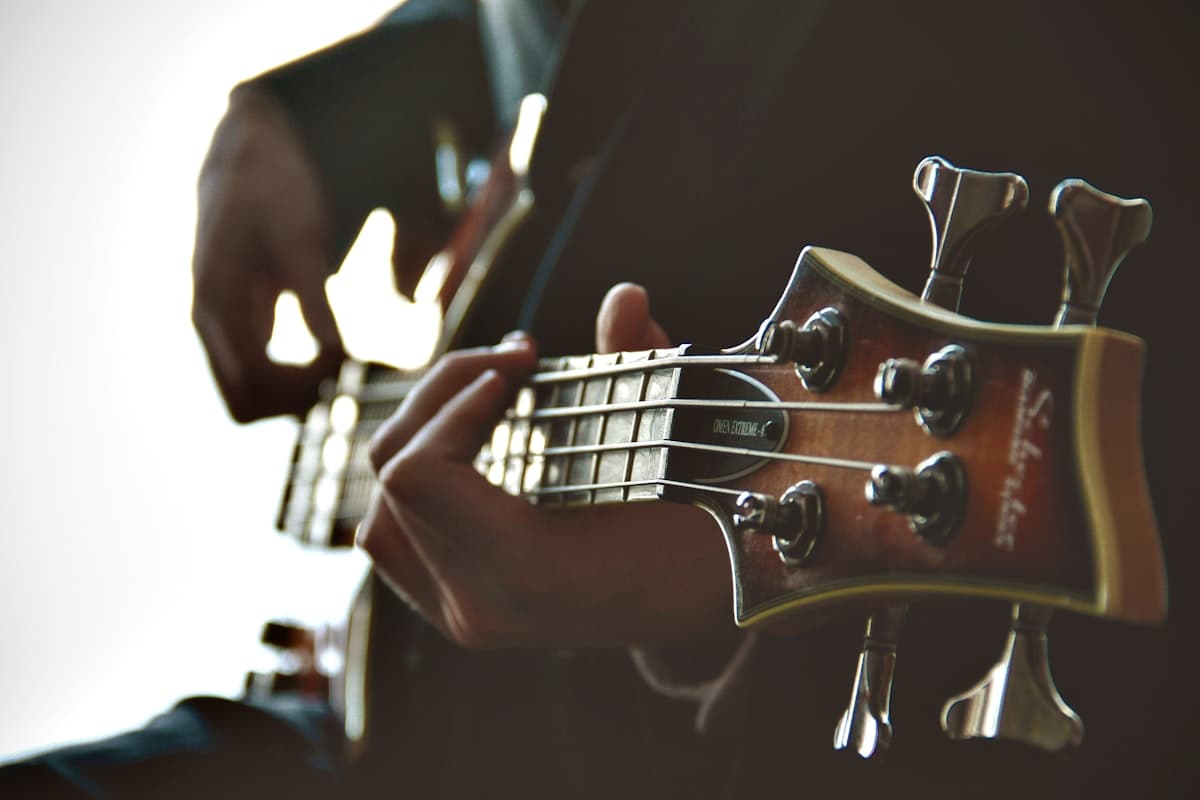
It's one of the most common questions parents ask when a child shows a spark of musical interest: should they start with piano or guitar? Both are wonderful instruments, and there's no wrong answer. But if your child is young and this is their first instrument, there's a strong case that piano gives them the best possible foundation — one that makes every instrument after it easier.
Here's an honest look at both, and why we usually steer beginners toward the keys.
Why piano is the ideal first instrument
Piano has a few built-in advantages that make it especially friendly for a first-time musician:
- You can see the music. On a piano, every note is laid out in a straight line, low to high, left to right. Sharps, flats, octaves, chords — the whole logic of music is sitting right there in front of you. That visual clarity makes music theory click in a way it simply doesn't on a fretboard.
- A good sound comes easily. Press a key and you get a clear, pleasant note — every time. Compare that to guitar, where beginners spend weeks with sore fingertips fighting to make a chord ring cleanly. That early frustration is a big reason young kids quit guitar. Piano lets them sound good on day one.
- Both hands, both roles. Piano trains a child to play melody and harmony at the same time. That two-handed independence builds a musical brain that transfers to literally any instrument they pick up later.
- It's a springboard, not a dead end. Kids who start on piano and later switch to guitar, voice, or band instruments almost always have an easier time — because they already understand rhythm, reading, and how music is put together. The reverse is far less common.
Where guitar genuinely shines
None of this means guitar is a bad choice — and we'd never tell a guitar-obsessed kid to ignore that spark. Guitar has real strengths:
- Portability. You can take a guitar to a friend's house, a campfire, or a youth group. A piano stays put.
- The cool factor. For a lot of older kids and teens, guitar just feels cool, and that motivation is worth something real.
- A lower entry price. A starter guitar can cost less than a decent keyboard.
If your child is a teenager who is dead-set on guitar because they love a particular band, follow that passion — motivation beats theory every time. But for a younger child who's simply curious about music, piano tends to build a sturdier base.
The foundation that transfers
The Volz Method teaches kids music through four pillars — reading, composing, hearing, and arranging. Those aren't piano-only skills. A child who learns to read music, play by ear, and understand how songs are built owns a toolkit they can carry to any instrument, any genre, for the rest of their life. Piano is just the clearest place to build it.
And the payoff isn't only musical. We dug into the research on this in does learning piano make kids smarter — the short version is that the discipline, focus, and pattern-recognition piano builds tend to show up in other areas too.
What about the instrument at home?
If you land on piano, you don't need a grand piano in the living room. A quality weighted-key digital piano is perfect for a beginner and fits almost any budget or space. Our recommended pianos page keeps the decision simple.
Not sure which way to go? Let's talk it through
Every kid is different, and sometimes the best way to decide is a quick conversation with someone who teaches beginners every week. Volz Method lessons are in-home, one-on-one, and $29–$52 per half hour across Utah and Idaho.
Schedule a free 15-minute call, tell us about your child, and we'll give you honest advice — even if that turns out to be "start with guitar."