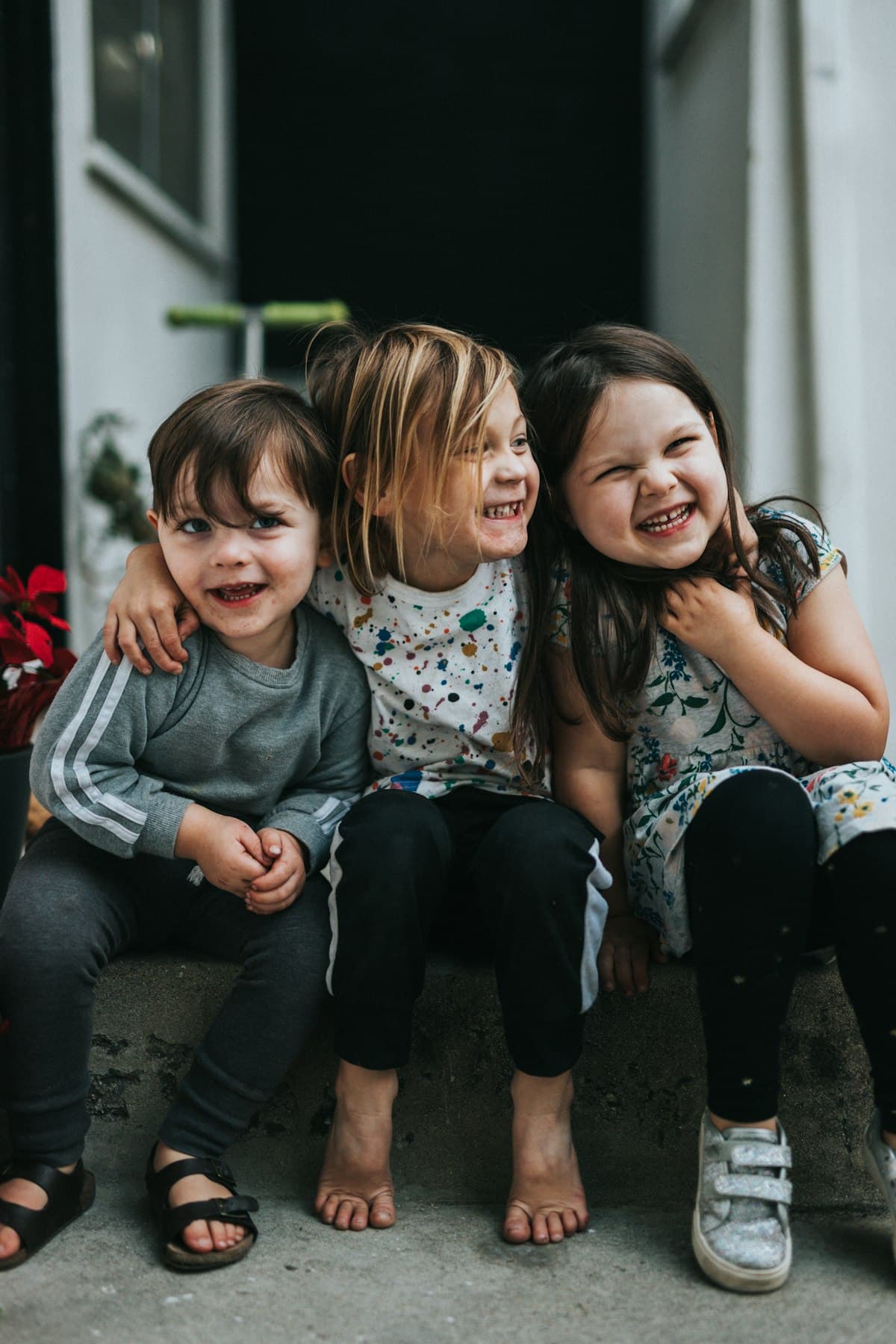
You’ve got two kids — maybe three — and you’ve been quietly doing the arithmetic. Two lessons. Two drives. Two tuition payments. Two more things on a calendar that’s already full. For a lot of families, that sum is the only reason piano hasn’t happened yet.
Here’s the good news: teaching siblings at home is usually far simpler — and less expensive per child — than parents expect. Here’s how it actually works.
The driving is what really stops families
Tuition is rarely the dealbreaker. The logistics are. At a studio, two children means either two separate trips across town, or one very long afternoon where somebody is waiting in a lobby doing homework on their lap.
When the teacher drives to you, all of that disappears. One arrival, two lessons, zero minutes in the car. For a family with multiple kids that isn’t a small convenience — it’s often the difference between piano being possible and piano being “maybe next year.” It’s one of the quieter benefits of learning at home.
How sibling lessons are scheduled
The usual setup is back-to-back on the same afternoon. One child has their lesson at the piano while the other finishes homework, has a snack, or plays — then they swap. The teacher is at your house once, and both children are done inside an hour.
Because it’s the same teacher for both, you also get one point of contact, one weekly rhythm to remember, and one person who comes to know both of your children properly.
Do siblings have to be at the same level?
Not at all — and this is the part parents most often get wrong. Sibling lessons aren’t a group class. Each child gets their own private, one-on-one lesson, their own music, and their own pace. A six-year-old beginner and a ten-year-old who’s been playing for two years can share an afternoon without sharing a curriculum.
In fact, siblings often learn quite differently from one another, which is exactly what the four pillars of the Volz Method are built for. One child might take to reading sheet music while the other learns best by ear — same teacher, same living room, two genuinely different lesson plans.
What it costs for more than one child
Lessons run $29–$52 per half hour, and the rate depends on where you live and how many students you’re signing up. Families with more than one student get a multi-student discount, so a second child never costs the same as the first.
We can’t put an exact number online, because it genuinely depends on your city and how many children are playing — but it’s a two-minute conversation on a free call. For the wider picture, our guide to what piano lessons cost in Utah walks through the full range.
Worth knowing: the Utah Fits All Scholarship can help families cover music lessons. Eligibility and approved expenses are set by the program and can change from year to year, so it’s worth checking the current rules — and we’re happy to talk you through what’s needed. There’s more in our guide to affording piano lessons in Utah.
What about sibling rivalry?
It’s a fair worry, particularly if one child picks things up faster. Two things keep it from becoming a problem.
First, they’re not playing the same music. When each child is working on pieces they chose themselves, there’s no scoreboard to compare. Second, a teacher who knows both children will deliberately aim them at different strengths — one composing, one playing by ear, one reading — so each gets to be good at something that feels like theirs.
One small thing helps more than anything else: avoid comparing them out loud, even kindly. “Your sister already learned that one” does more damage than most parents realize.
Do we need two pianos?
No — one instrument is plenty. Children practice at different times anyway, and short sessions make sharing straightforward. A single weighted-key digital piano handles two or three students in one house nicely, and a pair of headphones is a genuinely underrated purchase in a multi-kid home. If you’re still deciding what to buy, we compare the options in digital piano vs. keyboard vs. acoustic.
What if there’s a big age gap?
Normal, and not a problem. Readiness matters more than age, and a good teacher adjusts the approach rather than the standard — more games and shorter stretches of focus for the little one, more theory and independence for the older. If you’re wondering what that first session looks like for each of them, here’s what happens in a first piano lesson.
Common questions
Is there a discount for a second child? Yes — multi-student discounts apply to families with more than one student. The exact rate depends on your city and how many children, which we’ll confirm on a quick call.
Can two siblings share one lesson slot? Each child gets their own one-on-one lesson. Back-to-back on the same afternoon is the standard setup, so it still only takes one block of your day.
What if one wants to carry on and the other doesn’t? It happens, and it doesn’t have to end both. Usually the answer is a change rather than a stop — here’s what we’d try first when a child wants to quit piano.
Can they start at different times? Of course. Plenty of families start one child, then add a sibling a few months later once they’ve seen how it goes.
Get a real number for your family
Volz Method lessons are in-home and one-on-one across Utah, with the same dedicated teacher every week and a simple month-to-month agreement — no long-term contract. Book a free 15-minute call, tell us your city and how many children, and we’ll give you an exact price for your family.