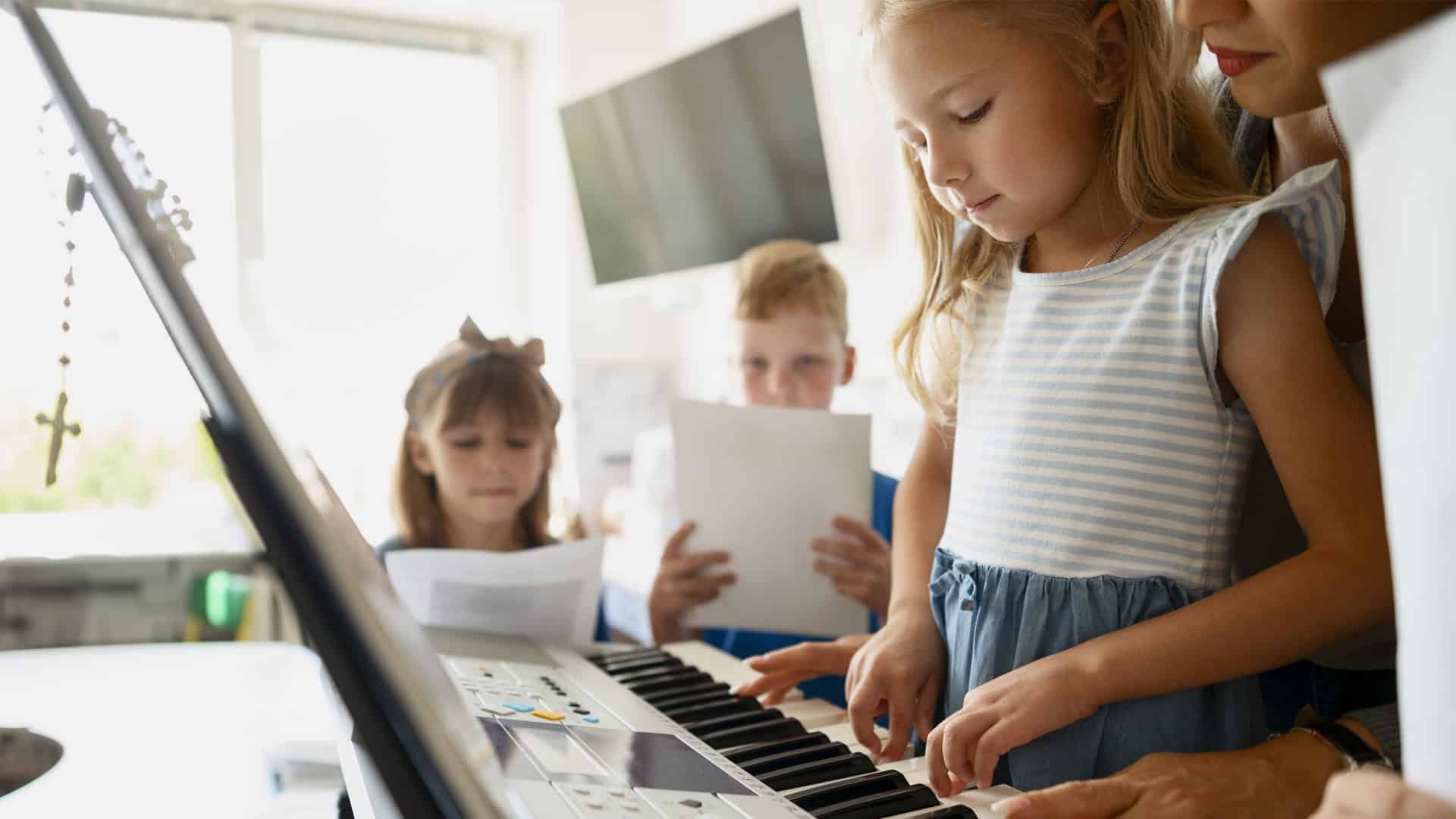
Music Lesson For Kids At Home In Utah With Piano Teachers That Drive To You
Parents in Utah want a music lesson for kids that actually fits real family life, builds lasting skills, and sparks a genuine love of piano. When a child has an in home music lesson with a patient teacher and a child centered piano method, practice feels less like a chore and more like a weekly highlight. Volz Piano offers the complete Volz piano method for kids and provides Piano Teachers that Drive to You so children across Utah can enjoy house call piano lessons for children that match the way they learn best.Table of Contents
- Why A Music Lesson For Kids Matters More Than Ever
- Why Piano Is A Powerful First Music Lesson For Kids
- What Makes A Great Music Lesson For Kids
- In Home Music Lesson Versus Studio Or Online Lessons
- How The Volz Piano Method Shapes Every Music Lesson
- Inside A Typical Kids Music Lesson With Volz Piano
- How Parents Can Support Practice Between Music Lessons
- How To Choose The Right Music Lesson For Kids In Utah
- Getting Started With An In Home Music Lesson For Your Child
- FAQ: Piano Keyboard And Music Lesson For Kids
Why A Music Lesson For Kids Matters More Than Ever
When you look for a music lesson for kids, you are doing much more than filling an after school time slot. You are giving your child a structured space to focus, create, and build discipline in a screen heavy world. A good kids music lesson helps them manage emotions, practice paying attention, and enjoy an activity that develops both sides of the brain. Researchers who study music education and brain development have found that children who take part in long term musical training often show stronger verbal memory, reading ability, and executive function than peers who do not study music. A widely cited review on the U.S. National Library of Medicine site highlights that musical training in childhood can support language skills and even predict later academic performance in young adulthood. You can read more about these findings in this scientific summary of musical training and cognitive development. The American Academy of Pediatrics points out that play based activities are essential for healthy cognitive, social, and emotional development in children. Music is a special form of play that mixes movement, sound, and imagination. Their guidance on the importance of play in child development helps explain why a fun, engaging music lesson for young children is such a powerful weekly ritual. Beyond test scores or brain scans, a music lesson for kids teaches life skills that every parent cares about. In a typical piano music lesson for kids, your child will:- Practice focusing on one task for several minutes at a time.
- Develop patience as they repeat a tricky pattern until it feels natural.
- Learn to accept feedback and try again without giving up.
- Express feelings through sound, not only through words.
- Experience the satisfaction of mastering a song they once thought was too hard.
Why Piano Is A Powerful First Music Lesson For Kids
There are many ways to start a music lesson for kids, but piano is one of the most child friendly paths. The layout of the piano keyboard is visual and logical, which makes it easier for children to see patterns and understand how music is built. This is especially helpful in a beginner music lesson for kids who have never read notes or played an instrument before. Here are a few reasons piano works so well for a first children's music lesson:- Instant sound. Press a key and you get a clear tone. Young children do not need to build embouchure or learn complex fingerings before they can make music.
- Clear patterns. Black and white keys repeat in groups of two and three. A kids piano teacher can use these patterns to teach intervals, hand positions, and scales in a visual way.
- Strong connection to songs children love. From simple nursery rhymes to movie themes, there is an endless library of piano songs that can be adapted for beginner piano classes for children.
- Flexible for many learning styles. Whether your child responds best to reading notes, playing by ear, or learning patterns, piano can meet them where they are.
What Makes A Great Music Lesson For Kids
Not every music lesson for kids is created equal. Some children leave lessons feeling discouraged, confused, or bored. Others come home excited to practice and eager to show you what they learned. The difference often comes down to how the lesson is structured and how the teacher approaches each child. In a high quality music lesson for kids in Utah or anywhere else, you will usually see these elements:- Warm, encouraging environment. Children are more willing to try new things when they know mistakes are part of learning. A kind, patient teacher helps them feel safe to experiment.
- Clear, age appropriate goals. Beginner music lessons for kids should focus on simple, achievable skills such as playing with steady rhythm, using correct hand shape, and learning basic patterns on the piano keyboard.
- Mix of repetition and variety. Kids need enough repetition to build muscle memory, but also enough variety to stay engaged. Creative music games for children help review skills without feeling repetitive.
- Child centered piano method. Instead of forcing every child through the exact same path, a child centered piano method adapts to your child's strengths, interests, and pace.
- Connection between lesson and home practice. A private music lesson for kids should end with simple, clear practice steps that children and parents can understand.
- Clapping rhythms away from the piano.
- Playing a quick listening game.
- Working on a new piece in tiny sections.
- Reviewing a favorite song with a new challenge, such as playing softly or staccato.
In Home Music Lesson Versus Studio Or Online Lessons
Families today have three main options for a music lesson for kids: studio based lessons, online lessons, or in home lessons. Each has pros and cons, but many Utah parents find that an in home music lesson for kids offers the best balance of convenience, comfort, and focus.Benefits Of In Home Music Lesson For Kids
Here are some of the biggest advantages of in home piano lessons for children:- Less stress before and after the lesson. There is no rushing across town or sitting in traffic. Your piano tutor that comes to your home arrives at a predictable time, and your child can stay in a familiar environment.
- Better use of the piano keyboard you already own. Your child learns on the same instrument they will practice on, which means no energy is wasted adjusting to a different touch or key weight every week.
- Built in parent involvement. When lessons happen in your living room, it is easy to step in at the end and hear a quick recap so you know how to support practice.
- Support for busy families. Parents with multiple children or full schedules appreciate house call piano lessons for children that fit around dinner, homework, and bedtime.
How In Home Lessons Compare To Studio Lessons
Studio based music lessons for kids can work well, but they require more logistics. You must drive to the studio, wait in the lobby or run errands, then drive home again. For families with several children, this can eat up an entire evening. In a studio, some children feel shy or distracted by other students in nearby rooms. An in home music lesson for kids allows your child to work in a space that already feels safe. They can sit on their usual bench, have their favorite pencil ready, and relax enough to focus.How In Home Lessons Compare To Online Lessons
Online lessons and group classes can be useful for some students, especially older children who are very self motivated. For younger children, in person beginner music lessons for kids often work better because teachers can physically guide hand position and respond quickly to body language. Experts in child health and development encourage parents to balance screen time with rich, in person activities like music, art, and sports. Guidance from the American Academy of Child and Adolescent Psychiatry suggests that families help children choose offline activities such as music and hobbies to reduce overall screen time. Their advice on screen time and children highlights the value of non screen pursuits like music. With an in home music lesson for kids, you get the best of both worlds. Your child can still use educational apps or online resources between lessons, but the core of their learning comes from a live teacher who stands beside the piano keyboard and responds in real time. Return to Table of ContentsHow The Volz Piano Method Shapes Every Music Lesson
One of the things that sets Volz Piano apart is its complete Volz piano method for kids. Instead of using a generic curriculum designed for adults, the Volz Piano team designed a method that starts with the way children actually think and learn. On their detailed Volz Method page, Volz Piano explains that they teach according to your child's brain, not just the notes on the page. They combine reading, ear training, improvisation, and arranging so children build a flexible set of musical tools.Teaching To Your Child's Strengths
Some children love patterns and logic. Others have strong ears and can copy a melody after hearing it once. The Volz piano method for kids uses beginner piano classes for children that pull from many approaches, so your child can lean into their strengths while also improving weaker areas.- Visual learners benefit from seeing patterns on the piano keyboard and on the page.
- Aural learners gain confidence through rhythm and ear training for kids, copying short patterns by ear and playing along with backing tracks.
- Kinesthetic learners enjoy movement based games and creative improvisation that lets them feel the beat throughout the body.
Balancing Reading, Ear Training, And Creativity
Many traditional piano lessons for kids focus almost entirely on reading standard notation. The Volz method keeps music reading in the picture but does not let it become a barrier. In articles like their guide to piano lessons at home for children, Volz Piano describes how their holistic approach nurtures rhythm, ear training, improvisation, and reading together so children become well rounded musicians. Because each music lesson for kids includes a mix of reading, listening, and creating, children are less likely to feel stuck. They get to play real songs, explore creative ideas, and experience music as a living language rather than just symbols on a page.Building Confidence Through Success
Parents often ask how to choose a music lesson for kids that builds confidence instead of anxiety. A strengths based method like the Volz Piano approach helps because children experience success early and often. They play pieces that sound real, not just exercises, and they see steady progress from week to week. A recent parenting article based on a survey of families found that many parents believe music education boosts their children's confidence and emotional skills. Parents.com reports that more than eight in ten parents see music as a major confidence builder for kids, and that early exposure supports emotional intelligence and connection. Volz Piano aligns with this by creating home piano lessons in Salt Lake County and surrounding areas that feel achievable, supportive, and fun. Each in home music lesson for kids is a small step toward bigger musical goals, and teachers celebrate progress along the way. Return to Table of ContentsInside A Typical Kids Music Lesson With Volz Piano
What does a private music lesson for kids actually look like when a teacher from Volz Piano walks through your door? While each child is unique, most lessons follow a clear structure that gives kids comfort and predictability.1. Warm Welcome And Quick Check In
Your kids piano teacher who comes to your home greets your child by name, asks about their week, and invites them to share any songs they enjoyed playing. This helps shy children relax and gives the teacher clues about motivation and mood before sitting at the piano keyboard.2. Review Of Last Week's Songs
The teacher and child listen to one or two review pieces. The teacher might:- Ask the child to notice what feels easier than last week.
- Point out one technical skill to refine, such as hand position or rhythm.
- Add a fun twist, like changing the dynamics or tempo.
3. New Concept Or Pattern
Next, the teacher introduces one new concept, such as a new note, rhythm pattern, or chord shape. In the Volz piano method for kids, new material is broken into small, manageable pieces. The teacher may draw a pattern on a whiteboard, clap it, sing it, then find it on the piano keyboard before asking the child to play it.4. Applying The Concept In A Song
Children are most motivated when new ideas connect directly to songs they enjoy. The teacher might choose a simple piece that uses the new concept or adapt a familiar melody into a version that fits the child's level. This is where a music lesson for kids who love piano songs really shines, because the teacher can use movie themes, pop tunes, or game music to keep things exciting.5. Creative Activity Or Game
To keep a kids music lesson dynamic, teachers often add a short creative activity. This might include:- Improvising a simple duet where the child plays a repeating pattern and the teacher plays a melody.
- Making up lyrics to a scale or pattern.
- Using rhythm cards on the floor and having the child jump or clap along.
6. Planning Home Practice
Near the end of the music lesson for kids, the teacher and child talk through what to practice before the next visit. The teacher may write down a simple plan, such as:- Play Song A two times a day.
- Clap the new rhythm three times each day.
- Spend two minutes exploring a new pattern on the piano keyboard.
How Parents Can Support Practice Between Music Lessons
Even the best music lesson for kids needs regular practice to make concepts stick. The good news is that practice does not have to be long or stressful. For young children, short, focused practice sessions several times a week are more effective than a single long session.Set Up A Kid Friendly Piano Space
Start by creating a comfortable practice area around the piano keyboard:- Use a proper bench adjusted so your child's elbows are slightly above the keys.
- Keep music books or tablet stands nearby and organized.
- Make sure there is enough light for reading music.
- Remove distractions such as loud toys or screens from the immediate area.
Create A Predictable Practice Routine
Pick a regular time for practice, such as right after school or right after dinner. For many families, five to fifteen minutes is realistic for younger children. A music lesson for kids at home in Salt Lake City or nearby areas can become the anchor for this routine, with your Volz Piano teacher helping to adjust the plan as your child grows.Use Encouragement And Small Rewards
Children respond well to positive feedback. Praise effort rather than only results. For example, say, “I like how you kept going even when that part was tricky,” instead of only cheering when a piece is perfect. Some parents use small reward systems, such as stickers or a chart. Others simply build practice into family life, celebrating progress by inviting grandparents to listen or by recording a favorite piece on video.Let Music Support Emotional Health
Music can be a helpful tool for managing stress and feelings. Health experts note that listening to and making music can support emotional regulation and well being in children. The American Academy of Pediatrics suggests that pairing learning with rhythm and melody can help kids remember information and manage mood. You can explore these ideas in their article on music and mood for children. Instead of forcing practice when your child is exhausted, try saying, “Let us play one calming song together, then we will take a break.” This keeps the music lesson for kids connected with positive feelings. Return to Table of ContentsHow To Choose The Right Music Lesson For Kids In Utah
If you live in Utah, you may have many options when you search for “music lesson for kids near me.” Some parents prefer group classes, while others want a private music lesson for kids that happens one on one. When comparing programs, it helps to keep a few key questions in mind.Questions To Ask Potential Teachers Or Schools
- Is your program designed specifically for music lessons for kids, or is it adapted from adult methods?
- How do you handle a music lesson for kids with short attention span or high energy?
- Do you offer in home music lesson for kids, or do we need to travel to a studio?
- How do you involve parents in practice planning?
- What styles of music do you include in lessons?
Considering Budget And Value
Every family has a budget, so it is natural to ask about cost. Instead of only looking for the cheapest option, think about:- How much time you save with house call piano lessons for children compared to driving to a studio.
- The value of a child centered piano method that keeps your child engaged, which reduces the risk of quitting.
- The long term benefits of steady music education for children, including academic and emotional gains.