Table of Contents
- Why In-Home Lessons Work for Young Beginners
- Inside the Complete Volz Piano Method for Kids
- What a Typical Week Looks Like
- Practice Lengths by Age and Attention
- Parent Role, Home Setup, and Instruments
- Keeping Lessons Focused at Home
- Utah Service Areas
- Pricing, Siblings, and Month-to-Month Flexibility
- How to Choose a Child-Friendly In-Home Teacher
- FAQs
1) Why In-Home Lessons Work for Young Beginners
For many kids, learning happens best in familiar spaces. At home, children relax, remember more, and transfer skills faster because the learning context matches daily practice. Research connects music training with gains in attention, working memory, and flexible thinking in children, which is exactly what early beginners need for steady growth. Parents in Utah who want a quick start often choose Volz Piano because teachers drive to you and tailor lessons to each child’s strengths. You can see how this philosophy shows up in the Volz Piano Method and recent coverage of local lessons on the Volz Piano blog. Independent research supports families who invest in music during childhood. Studies summarize that music training is linked with improved executive functions such as inhibitory control and working memory, key skills for school readiness and practice habits. Families can explore the science as they plan their child’s first year of lessons and use it to guide expectations. Major music education organizations also emphasize how early musicianship builds academic and social benefits for school-age children. Return to Table of Contents2) Inside the Complete Volz Piano Method for Kids
The Complete Volz Piano Method strands reading, ear training, composing, arranging, technique, and creativity so kids learn music from multiple angles. This is ideal for beginner piano for kids at home because concepts repeat across activities. Children hear a pattern, see it on the page, tap and count it, then play and create with it. The approach helps with short attention spans because each element is bite-sized and active. Parents can preview the approach on the home page, read core values, compare ideas in method explainers like this overview and this article on learning methods for kids, and see real-world feedback on the testimonials page.How the Method Fits Home Lessons
Because teachers come to you, lessons adapt to your living room, keyboard, and family routines. The method uses short cycles of play, listen, move, read, and create, which fits kids piano lessons at home and keeps momentum high between visits. Return to Table of Contents3) What a Typical Week Looks Like
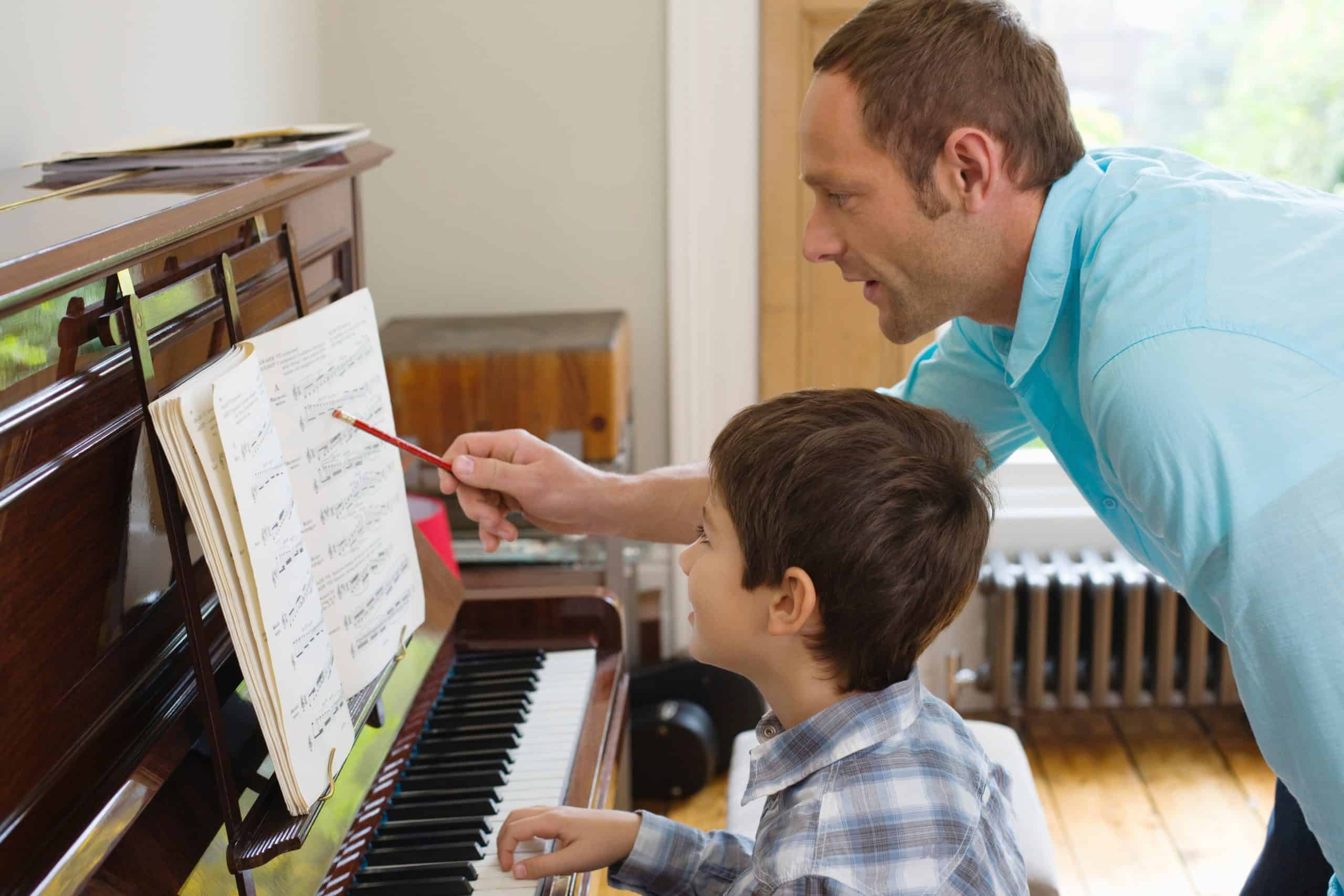
Each week, your child meets a friendly, child-centered in-home piano teacher who sets one clear focus per skill: a short reading piece, one rhythm pattern, one easy coordination drill, and a tiny creative task such as a two-measure improvisation. After the visit, your child practices in short blocks that match their age and attention. Parents get simple, written targets and a plan that fits around school and sports.- Lesson at home: warm-up, review, new piece, game, creative mini-task
- Home practice: small chunks across the week, usually five days
- Check-ins: a quick text through the Student Portal if you need clarity
4) Practice Lengths by Age and Attention
Beginners make the fastest progress when practice lengths match attention spans. A simple rule many educators use is to keep practice short and focused, then repeat later in the day if kids still have energy. Guidance from music-education and child-development resources suggests short, age-appropriate sessions with clear goals. Combine this with the weekly target list your teacher sets, and your child will progress without battles.- Young beginners: very short sessions, multiple times per week
- Elementary ages: clear 15–30 minute windows with a tiny break if needed
- Preteens: consistent 25–35 minute blocks that include one creative task